Soul songs
White men and guitars

When I was fourteen, I discovered Coldplay - and in the sentimental sweep of their ‘alternative’ pop, I found something that felt sophisticated, and adult, and entirely of myself. I shrug at Coldplay now, but for more than a decade, they were the most important sound in the world for me.
It is difficult to articulate the cataclysmic boom of music that is felt beyond the ears, and into the soul. Celebratory, communal music is wonderful. The type that will fill a dancefloor - or the way the entire Gabba Stadium will burst into song whenever Charlie Cameron kicks a goal (Country Roaddddddds, take me hooooooommmme, to the plaaaaaccceeee, I BELONNNNNNNNNGGGGG!)
But then there’s the bittersweet songs. I’ll never forget talking to a therapist mate circa 2011. Gotye’s hit Somebody That I Used To Know was everywhere.
‘Every single client that comes into the office says that song is written about them,’ she said. ‘Everyone puts it on into the car and cries.’
There is a beauty to the melancholic song - the one you experience alone, in your headphones in the train, on a walk, or in a car by yourself. Melancholia, bittersweetness, feels vital to living.
It was a topic explored in-depth by Susan Cain, in her book Bittersweet: How Sorrow and Longing Make Us Whole.
“I’ve concluded that bittersweetness is not, as we tend to think, just a momentary feeling or event. It’s also a quiet force, a way of being, a storied tradition—as dramatically overlooked as it is brimming with human potential. It’s an authentic and elevating response to the problem of being alive in a deeply flawed yet stubbornly beautiful world. Most of all, bittersweetness shows us how to respond to pain: by acknowledging it, and attempting to turn it into art, the way the musicians do, or healing, or innovation, or anything else that nourishes the soul. If we don’t transform our sorrows and longings, we can end up inflicting them on others via abuse, domination, neglect. But if we realize that all humans know—or will know—loss and suffering, we can turn toward each other.”
Coldplay certainly has strains of it in their early albums, but I’ve been drawn to sad white men strumming their guitars for my entire life. I wrote about this before on the blog when I looked at Sam Fender, whose music video for People Watching still makes me burst into tears.
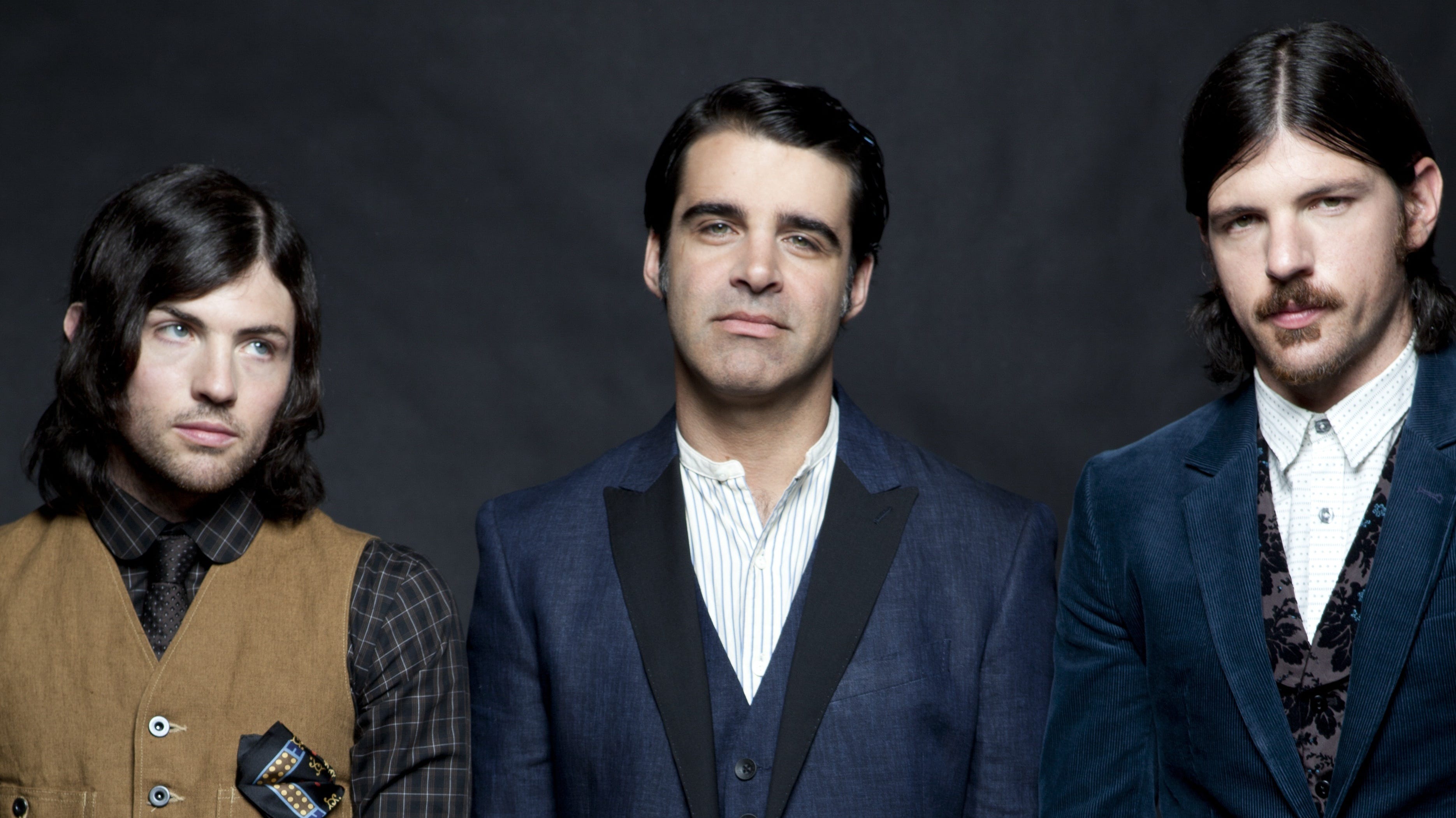
Other all-time favourites include The Avett Brothers, whose song No Hard Feelings I would like played at my funeral, please and thank you.
Similar to those poor clients who felt Gotye was singing about them, it is difficult for me to hear Big Black Car by Gregory Alan Isakov without sincerely believing he wrote it about me, about a very specific troubling relationship I had in my early life.
Nick Cave - a man who knows more about sorrow than most of us would ever want to - has a word for all this.
Saudade.
It’s Portuguese, and it doesn’t translate cleanly, but Cave describes it as “an inexplicable longing, an unnamed and enigmatic yearning of the soul.” It is, he says, “the breeding ground for the sad song, for the love song.”
That’s the thing humming underneath Gotye in a thousand parked cars, underneath the Avett Brothers, underneath fourteen-year-old me lying on my bedroom floor letting Coldplay wash over me like it was scripture. The longing is the point.
Rilke reckoned our great sadnesses are the moments “something new has entered into us” - that we come out of them changed. Which sounds lofty, until you remember what it actually feels like when the right sad song finds you at the right moment: like being cracked open and put back together slightly larger.
So no, I won’t be apologising for a lifetime of sad men strumming guitars. The bittersweet song is doing quiet, serious work - the work Cain describes, of taking sorrow and turning it into something that nourishes rather than wounds. Cave puts it best, as he tends to: “hope is optimism with a broken heart.” That’s what the melancholic song is, in the end. Not wallowing. Hoping, with the full knowledge of what it costs.
I've mostly thought I'm too sad or at least weary to be optimistic, mainly because my expectations of, well, everything have been very low for a very long time and people consistently meet them. I didn't think I was entitled to optimism. I have always hoped that things would work out, though.